What You Should Know About Insulated Concrete Forms
In the modern world of construction, finding building materials that contribute to energy efficiency and sustainability is essential. Among these, insulated concrete forms (ICFs) have emerged as a revolutionary solution. The importance of ICFs cannot be overstated, as they align with contemporary demands for eco-friendly building practices. Offering significant benefits such as improved thermal regulation and durability, these systems have the potential to shift the construction industry's standards. As energy efficiency becomes non-negotiable, solutions like insulated concrete foam provide a pathway to achieving these objectives successfully while supporting long-term environmental goals.
Understanding Insulated Concrete Forms
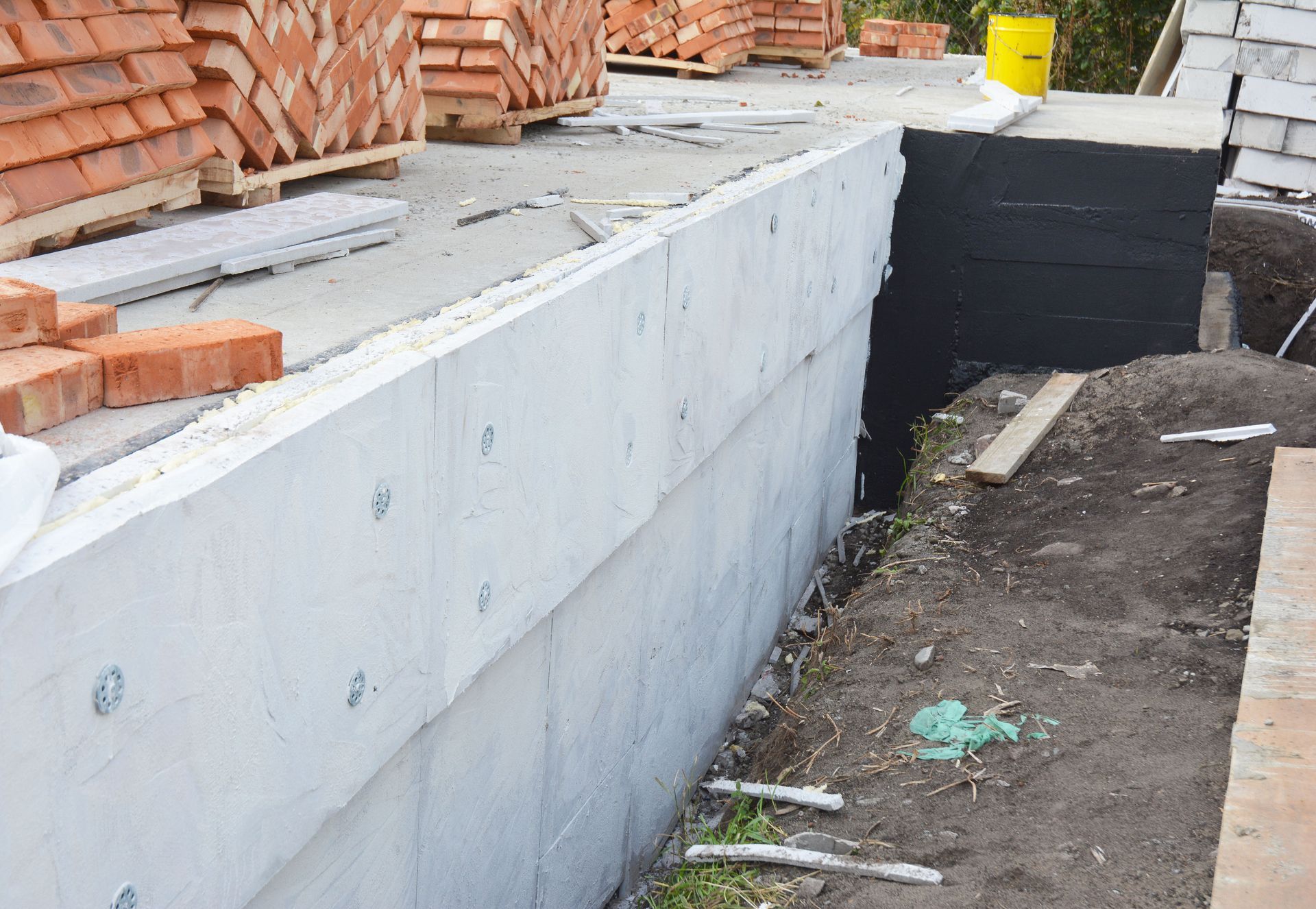
Insulated concrete forms (ICFs) are innovative building materials used to create walls or floors, consisting of hollow panels or blocks filled with concrete. These forms are made from rigid thermal insulation, usually expanded polystyrene (EPS) or a similar material. The unique design allows for continuous insulation across building surfaces, improving energy retention and stability. Additionally, ICFs are assembled on-site, where their cavities are filled with reinforced concrete, creating formidable structural strength. Their adaptability allows seamless integration into traditional, contemporary, or custom architectural plans, giving builders exceptional design flexibility.
The development of modern ICFs dates back to the late 1960s when increasing awareness of energy efficiency led to early prototypes. Over several decades, advancements in material science refined the concept, pushing ICFs from niche products to widely recognized building solutions. Construction professionals soon realized the value of incorporating insulated concrete foam components to enhance durability and energy performance. Today, the technology continues to evolve alongside rising sustainability standards, making these systems a cornerstone of efficient building practices.
These forms are available in several variations, each tailored to specific structural needs. Flat-wall systems create uniform concrete thickness, maximizing structural and thermal performance. Waffle-grid and post-and-beam configurations utilize strategic concrete placement to reduce material usage while maintaining strength. This diversity ensures that insulated concrete foam and other ICF options can be applied across residential, commercial, and industrial builds. Whether constructing single-family homes or multi-story facilities, builders can select configurations that best support project goals.
These systems are recommended across numerous applications due to their adaptable nature. Residential buildings achieve quieter, more comfortable indoor environments. Commercial structures benefit from lower operating costs thanks to reduced heating and cooling demands. Industrial settings, including warehouses and manufacturing plants, take advantage of the durability and insulating value these forms offer. From dense urban zones to rural landscapes, ICFs and insulated concrete foam systems consistently deliver long-lasting, high-performance results.
One standout advantage over traditional construction materials is their superior energy performance. Structures built with these forms dramatically reduce thermal bridging, which lowers operational costs and contributes to smaller carbon footprints. According to the Insulating Concrete Formwork Association, tests show that a conventional concrete block typically has a strength of seven newtons, whereas a structure using this method is roughly five times stronger at 35 newtons. Beyond strength, these systems are less vulnerable to moisture and environmental degradation, reducing long-term maintenance expenses and giving owners confidence in their investment.
Energy Efficiency Benefits
Insulated concrete forms excel in maintaining consistent indoor temperatures thanks to their uninterrupted insulation layers. By minimizing heat transfer, these systems help keep buildings warmer in winter and cooler in summer. This stability significantly reduces energy demands for climate control, making insulated concrete foam an appealing choice for eco-conscious builders. Many homeowners report substantial declines in heating and cooling bills after switching to structures built with ICFs, reinforcing their reputation as energy-efficient solutions.
The use of ICFs also plays a notable role in optimizing HVAC systems. Because the building envelope becomes tighter and better insulated, HVAC equipment can often be smaller and more efficient. Reduced energy loss translates directly to improved performance and longer equipment lifespan. Builders routinely highlight the synergy between ICF structures and modern HVAC design, noting that this combination supports outstanding long-term comfort and cost savings.
Through exceptional thermal performance, insulated concrete forms reduce energy consumption across a building's lifetime. Less reliance on heating and cooling systems leads to lower greenhouse gas emissions, helping meet local, national, and global sustainability goals. Builders committed to environmental responsibility often choose insulated concrete foam or related materials to align with emerging sustainability expectations. As environmental standards continue to tighten, these systems stand out as a practical solution to meet and exceed energy benchmarks.
These forms also significantly contribute to buildings seeking LEED certification. Their energy efficiency, reduced environmental impact, and material sustainability all support key LEED categories-particularly those involving energy use and building envelope optimization. Developers pursuing high certification levels frequently incorporate ICFs to strengthen their project profiles and demonstrate adherence to advanced green building principles.
Various case studies demonstrate real-world benefits. Residential communities in colder climates have reported energy savings of more than 30% using this construction approach. Commercial office buildings have recorded heating and cooling cost reductions nearing 50%. Even specialized facilities, such as food-storage units, benefit from the predictable temperature control created by insulated concrete foam systems. These examples reinforce why this method has grown into a preferred choice for energy-focused construction projects.
Durability and Structural Strength
One of the defining strengths of insulated concrete forms is their resilience against natural disasters. Reinforced concrete combined with insulating forms creates walls that withstand high winds, flying debris, and pressure changes associated with tornadoes and hurricanes. In seismically active regions, these systems have proven equally effective due to their ability to absorb and distribute shock energy. This reliability has made insulated concrete foam and similar systems attractive to builders in high-risk areas.
Beyond their immediate structural advantages, buildings constructed with these systems require minimal long-term maintenance. Concrete and insulation components resist weathering, moisture infiltration, and chemical wear. With fewer vulnerabilities than wood-framed structures, these forms maintain structural performance for decades. Owners benefit from fewer repairs and improved long-term reliability, making them exceptionally cost-effective over time.
These systems also feature high load-bearing capabilities suitable for multi-story construction. Reinforced concrete cores allow structures to accommodate both vertical and lateral loads efficiently. Design engineers frequently rely on these properties when planning buildings in dense or high-rise environments. Over time, insulated concrete foam systems have shown consistent performance across demanding engineering applications, further solidifying their place within modern construction.
Fire resistance is another critical advantage. The concrete core is non-combustible, and many systems incorporate fire-retardant insulation that slows flame spread. This improves safety for occupants and can reduce property loss during emergencies. Insurance companies often provide reduced rates for buildings using these materials due to their fire-resistant qualities.
The airtight and moisture-resistant qualities of insulated concrete forms also help eliminate pest intrusion and mold development. Unlike wood structures, which can harbor insects or rot, concrete and insulated systems create an inhospitable environment for both pests and mold spores. This contributes to healthier indoor air quality and longer-lasting structural performance, making insulated concrete foam and related systems valuable choices for long-term environmental health.
Embracing systems like insulated concrete foam represents a major step toward sustainable, energy-efficient construction. Their ability to enhance energy performance, improve durability, and support environmental responsibility makes them a powerful alternative to traditional building methods. While challenges such as skilled labor requirements or code compliance may arise, ongoing industry innovation continues to remove barriers to adoption. Contact our team at Elemental ICF Builders today and get connected with our concrete form services.


Share On: